
Thornton Tomasetti | CORE studio in partnership with HKS Architects & Zahner
MAY 28-31 | 2026 | Los Angeles, USA



Thornton Tomasetti | CORE studio is excited to announce the third AECtech + Los Angeles in partnership with HKS Architects and Zahner.
This year’s event will be held at HKS Architects
THANK YOU TO OUR HACKATHON SPONSORS


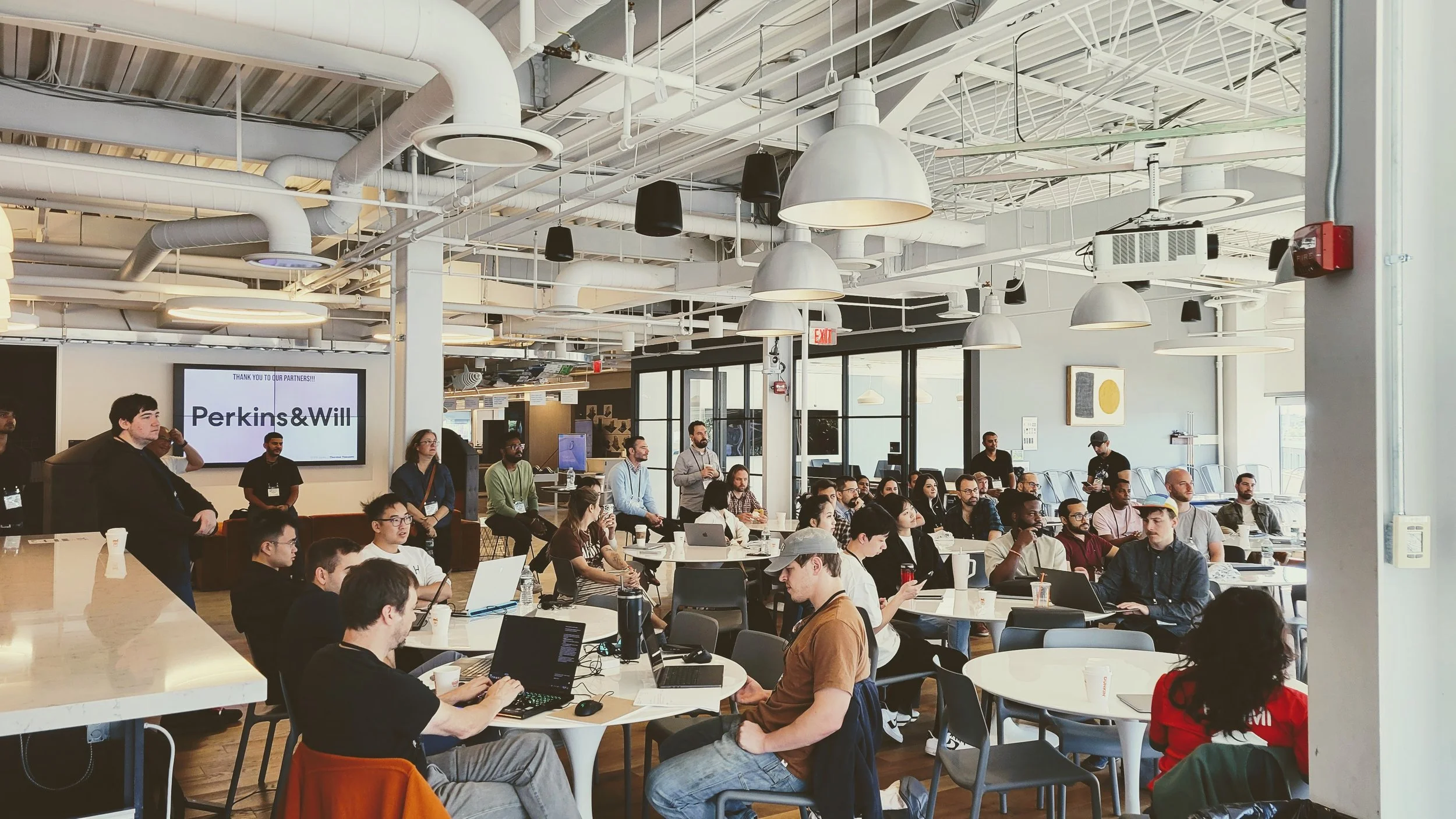
AECtech+ Boston 2025 | Hackathon
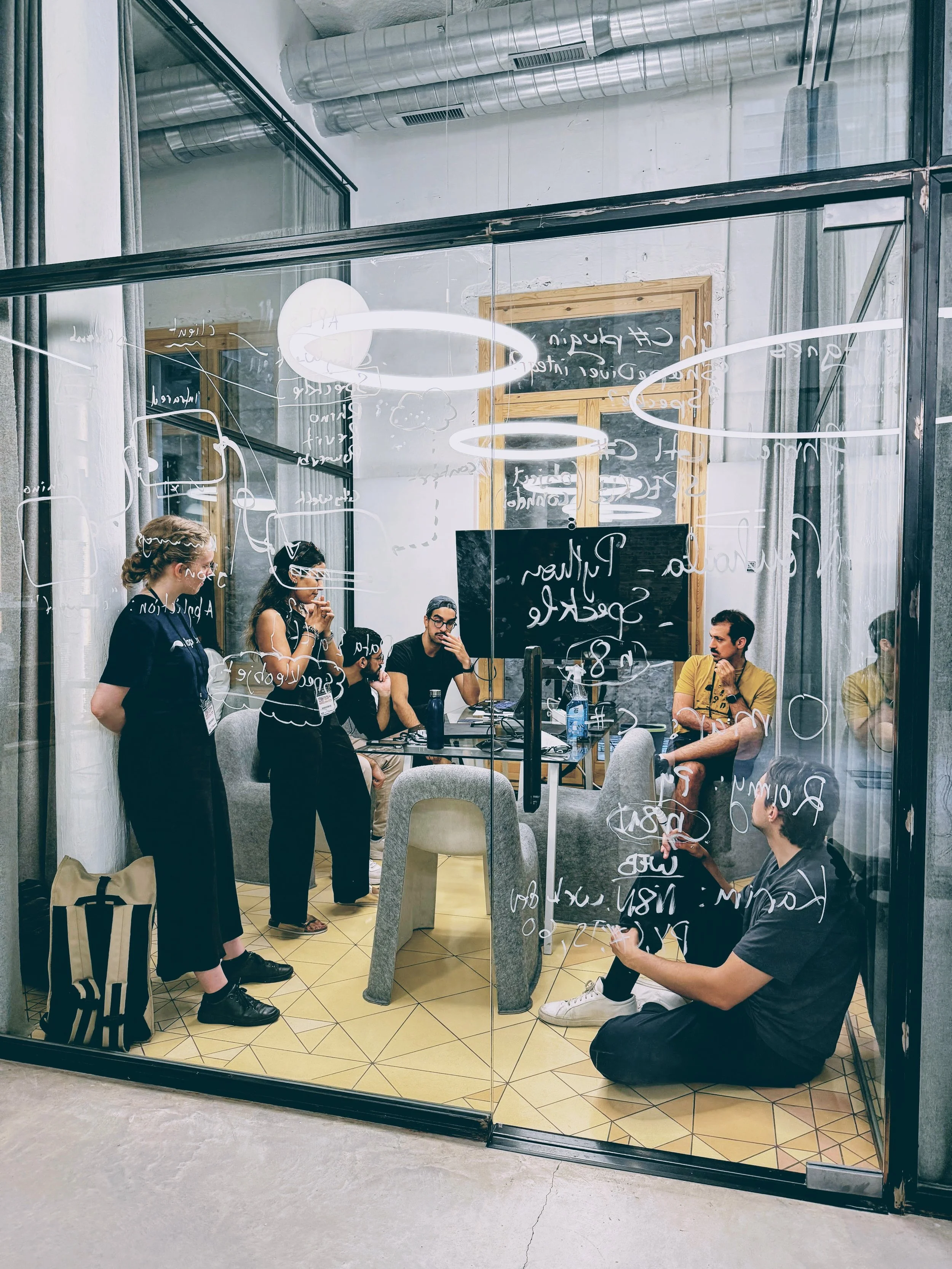
AECtech+ Barcelona | 2025 | Hackathon
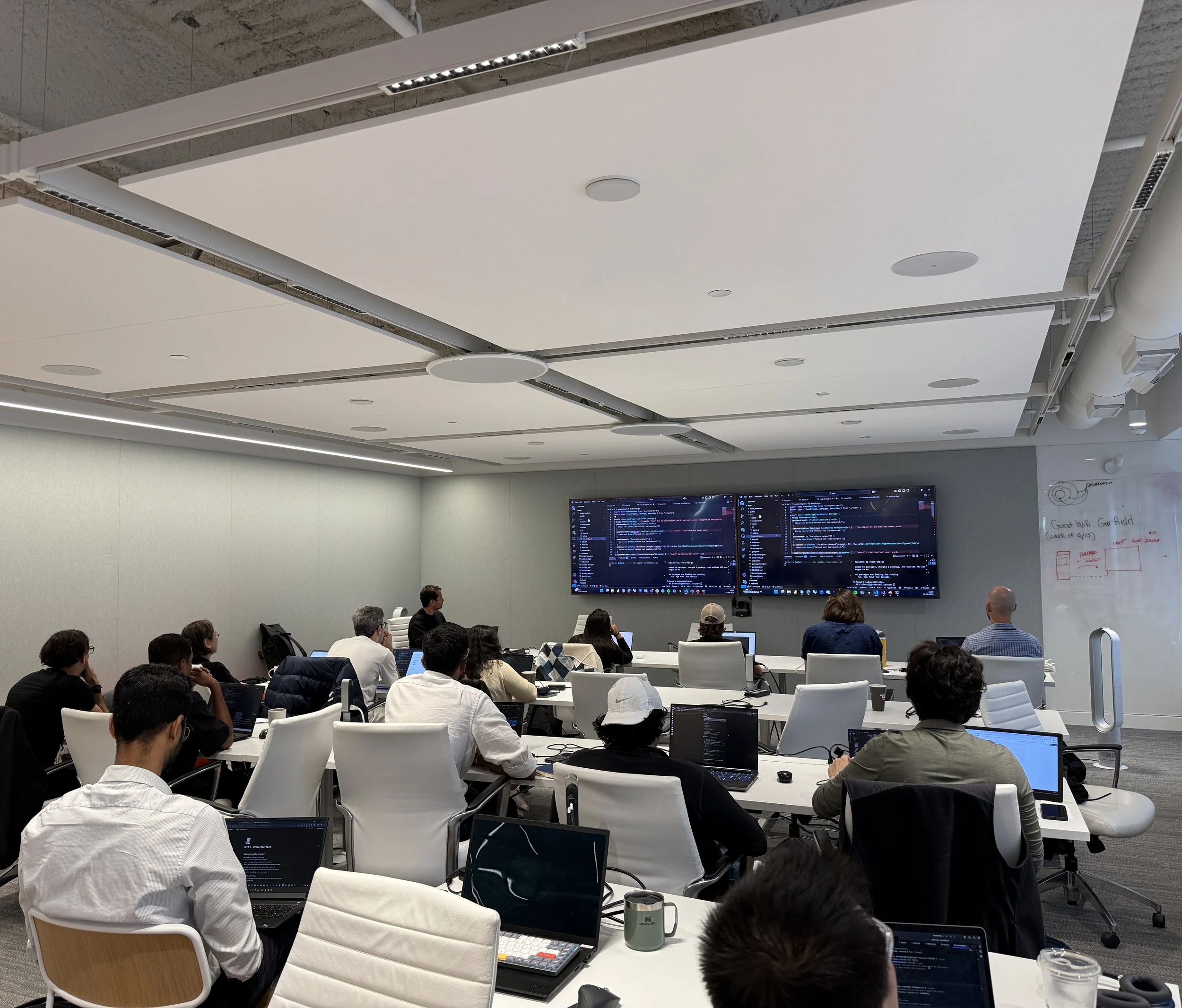
AECtech+ Boston | 2025 | Workshops
SYMPOSIUM
Thursday, May 28th | In person @ HKS
Be inspired by leading voices in design, technology, and innovation across the AEC space. Join us for a series of presentations and discussions that explore the rapidly changing relationship between design, technology, and brings fabrication and prototyping to the forefront.
12:30 pm |
1:00 |
Registration
Welcome & Introduction
1:10 |
-
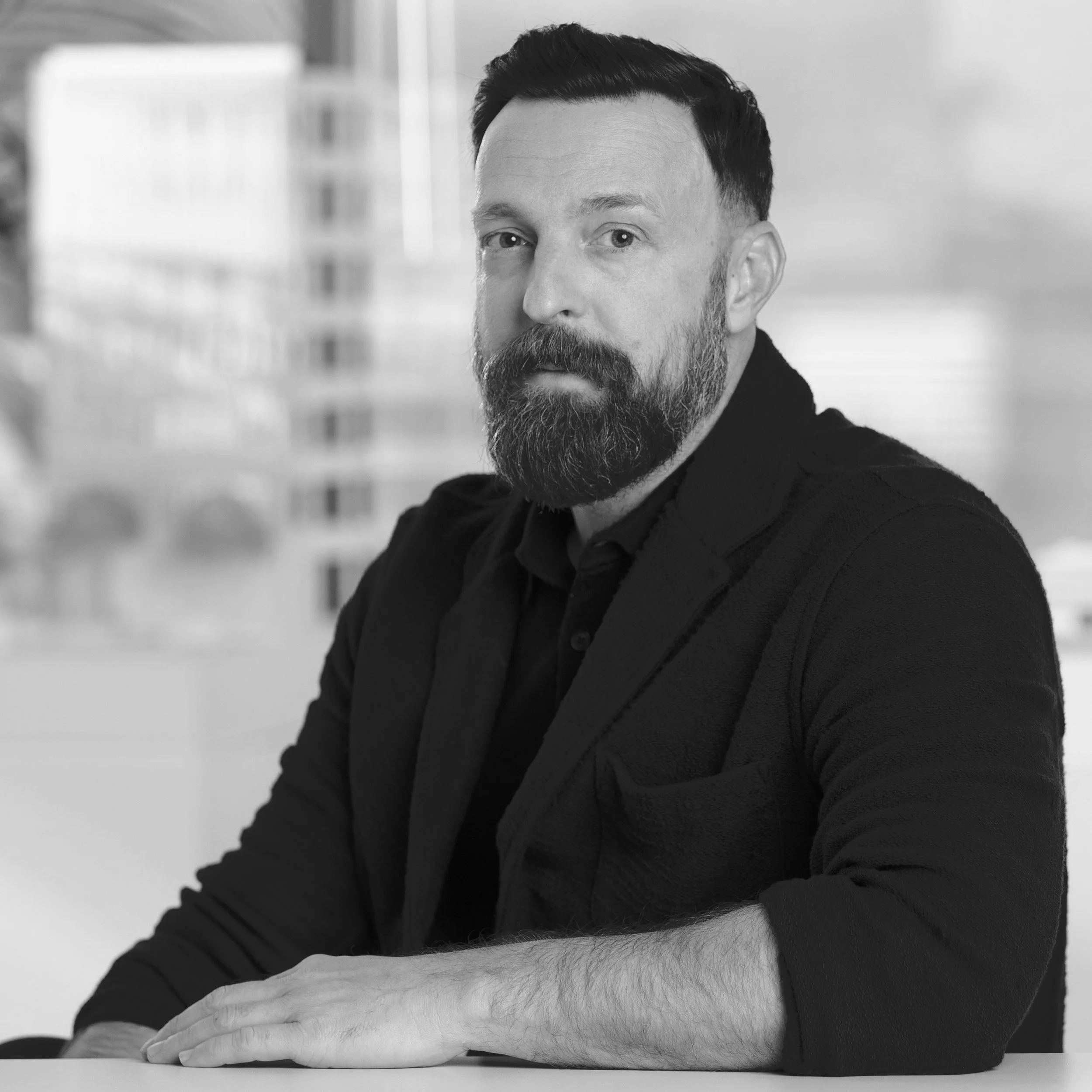
James Warton is the Regional Practice Director for HKS | LINE. He has made significant contributions to the most complex and innovative elements of the HKS portfolio. Most notably supporting Venues and Sports on discretization, rationalization, and structural synthesis of complex geometries and long-span structures. Throughout his career in architecture, he has maintained an acute interest in cutting-edge manufacturing and has developed a specialized concentration in high-resolution additive processes. His current focus is on the synthesis of structure/form, automation, and material performance. James also teaches Comprehensive Design, Systems Integration and Advanced Structures within the graduate program at Woodbury University’s School of Architecture where he promotes computational design as a tool for conceptual form finding, in-situ concept analysis, and optimization methodologies.
1:30 |

Presenter To Be Announced
1:50 |

-
Matt Jezyk spent over two decades at Autodesk, contributing significantly to the development of Revit Architecture and Revit Structure. He also led the team responsible for Dynamo, a computational design tool widely adopted in the architecture, engineering, and construction (AEC) industry.
Matt was most recently at Tesla, where he developed software to streamline the design, fabrication, and construction processes for the company’s Gigafactories.
Throughout his career, Matt has been instrumental in integrating computational and generative design with digital fabrication tools and robotics, presenting his work at conferences such as ACADIA, SmartGeometry, and Robots in Architecture.
2:00 |
-
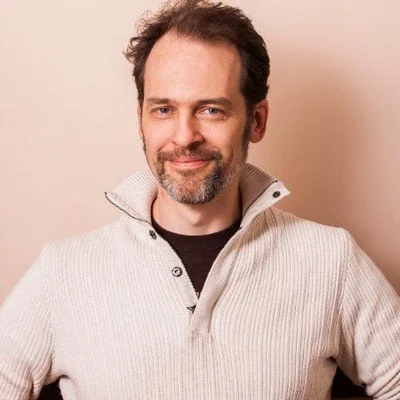
Since 2006 Jeffrey has been the co-founder and principal architect of BWC Architects, an award-winning design-build architecture studio in Oakland, CA. In 2012 he joined Autodesk part time, working in the CTO's office to help make digital fabrication more accessible. He left in 2014 to help co-found a hardware and product incubator in Oakland and pursue more architecture projects with BWC. In 2018, he helped co-found www.model-no.com, a venture-backed, digitally fabricated, on-demand, sustainable furniture brand and served as its CTO until the beginning of 2023, when he returned to focusing on great architecture projects at BWC. Now since the start of 2025, he's been working with some amazing people at Motif.io on a new BIM platform for the construction industry. Throughout all this, he's always helped create great spaces and great things with his co-founder and partner at BWC Architects.
Jillian Northrup
BWC Architects: Co-Founder & Design Director
-
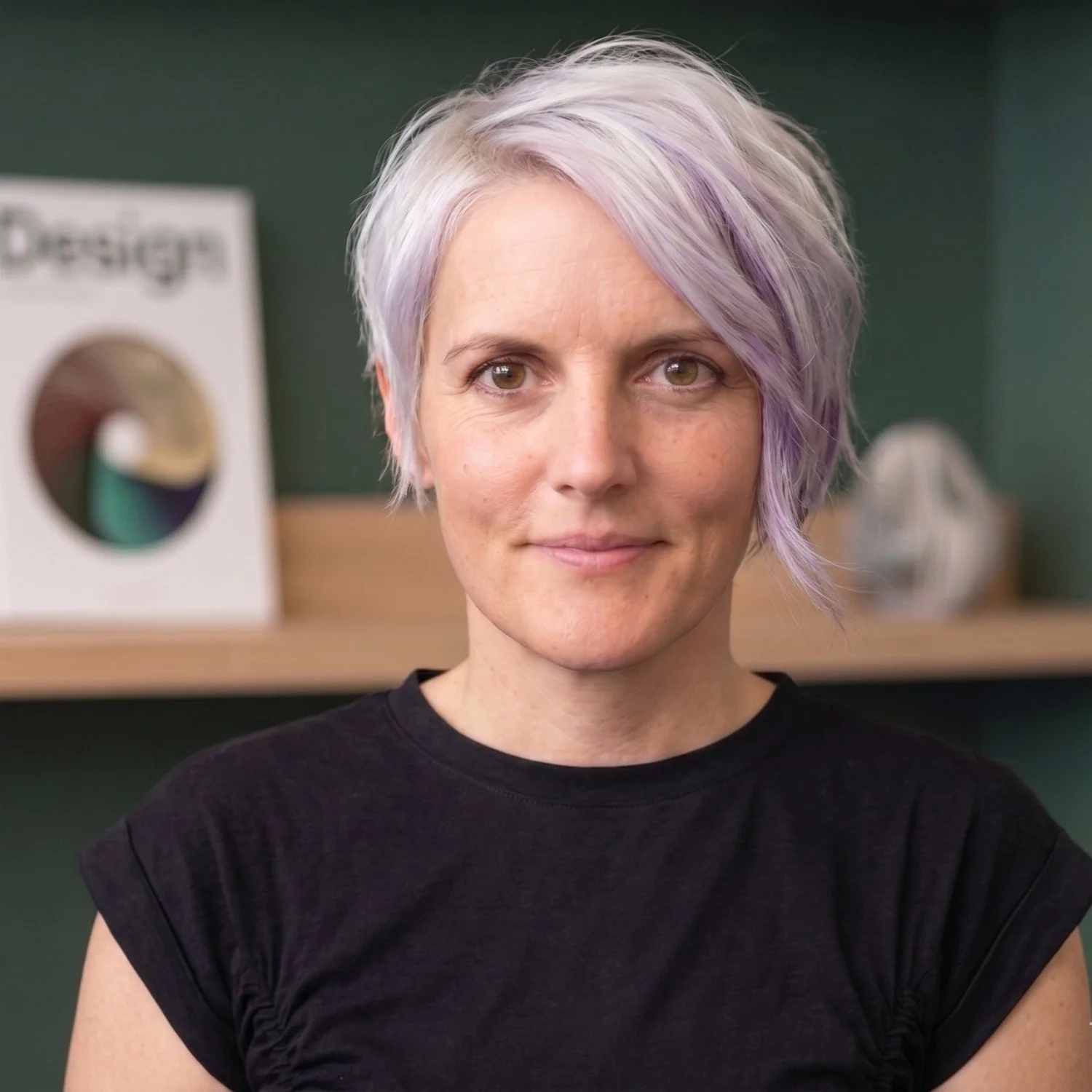
Since 2006 Jillian has been the co-founder and design director of BWC Architects, an award-winning design-build architecture studio in Oakland, CA. In 2018, she helped co-found www.model-no.com, a venture-backed, digitally fabricated, on-demand, sustainable furniture brand and served as its COO until the beginning of 2022 when she returned to focusing on great architecture projects at BWC. As a creative and strategic architectural design professional, project manager, and head of operations she has 20 years of experience in leading design teams, co-running small companies and managing stakeholder objectives- from VCs to commercial and residential clients. Adept at fostering collaborative relationships with BWC's clients and co-workers she has delivered over 400 projects across various sizes and sectors in the construction and manufacturing industries.
2:10 |

-
Burçin Nalinci leads Zahner’s R&D initiatives at the intersection of robotics, computation, and craft. Her work defines computational tacit craft as the translation of embodied making into data-driven, collaborative systems that extend human expertise rather than automate it.
Guided by four interlocking pillars—Hardware & Robotics, Software & Computation, Material Innovation, and Lifecycle Knowledge—her team develops workflows that merge fabrication, field intelligence, and material computation. From robot-assisted welding to computational patinas, these systems convert a century of tacit craft into structured, quarriable knowledge—extending the reach of human craft through robotics, computation, and evolving materials.
Her current research links physical processes with sensing, imaging, and ML models to reveal relationships between process physics and performance. Within this feedback-rich ecosystem, knowledge stops being archival and becomes generative—a living framework where human insight, digital data, and machine intelligence continually evolve together.
2:40 |
3:10 |
Presenter Q&A
Coffee Break
3:40 |

-
Sergey Pigach is a Senior Associate Applications Engineer at CORE studio | Thornton Tomasetti. Trained as an architect, he has spent nearly a decade developing computational tools for designers, architects, and engineers across the AEC industry. As part of CORE AI, the R&D group focused on practical applications of artificial intelligence and machine learning in structural engineering, Sergey led the development of Cortex, CORE studio's ML-ops pipeline. His current work centers on research in agentic AI, AI safety, security, and emerging interoperability protocols such as MCP and A2A.
4:00 |

-
Brian Murray is a Senior Project Engineer at Hathaway Dinwiddie with six years of experience in general contracting. He holds a Bachelor’s Degree in Construction Engineering from Purdue University and a Master’s Degree in Computer Science from the University of Illinois, combining practical construction experience with a strong technical foundation.
Brian is currently focused on exploring how AI can be best leveraged across the company to improve workflows, support project teams, and drive smarter decision-making. He’s passionate about bridging construction operations and emerging technology, with an emphasis on turning practical challenges into scalable solutions that create real value in the field and office.
4:20 |
-
David Gull is a licensed architect and technology entrepreneur focused on AI adoption in the built environment. He trained at Cornell University and spent six years at Skidmore, Owings & Merrill designing hospitals and research facilities before moving into tech, where he served as VP of Product Operations at Floored (acquired by CBRE) and founded Outer Realm, one of the first VR platforms for real estate (acquired 2022).
He spent the past year advising architecture firms on practical AI integration before joining xFigura as its founding GTM lead, where he works with the top firms to transform visualization workflows with AI. At AEC Tech LA, he will present how xFigura is changing how architecture firms produce, collaborate on, and scale visual outputs.
4:30 |

4:50 |

-
A licensed architect based in New York City, Charles was recently elevated to the College of Fellows of the American Institute of Architects (FAIA) in recognition of his contributions to computational design practice. He has strong interests in exploring new methodologies that link computation, design, and fabrication. Currently, he is a Senior Associate and Digital Innovation Strategist for Perkins&Will's I/O group, where he focuses on envisioning 3D models and data as a focal point for project design and delivery strategies. Charles also teaches Environmental Parametrics at Rensselaer Polytechnic Institute's Center for Architecture Science and Ecology (CASE) program, where he focuses on combining parametric modeling, optimization, and daylighting as a strategy to inform design. Previously, he has taught and guest lectured at multiple institutions, including Pratt, CUNY College of Technology, New Jersey Institute of Technology, and MIT.
5:10 |
5:40 |
Presenter Q&A
Coffee Break
6:10 |
FABRICATION & PROTOTYPING | ROUNDTABLE

-
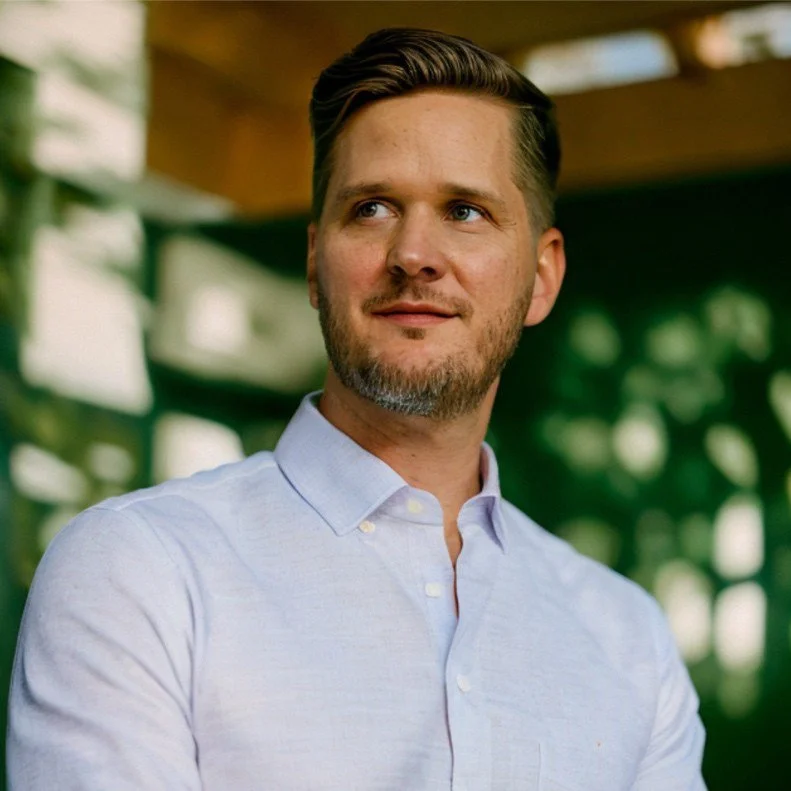
Andrew Kragness leads Sixth Eye in redefining the future of project delivery within the Built-World. A recognized expert in façade design and constructability, he has pioneered the use of mass customization and computational design to deliver some of the most geometrically complex projects in North America. His leadership is dedicated to transforming traditional practices by embracing emerging technologies and wrapping that into a management framework that shapes seamless exchanges between digital vision and physical realization.
Andrew brings technical mastery and strategic foresight, guiding teams and clients through the challenges of digital transformation. He draws on a multifaceted background spanning film, robotics, parametrics, design, architecture, engineering, and construction to cultivate high-performing, cross-functional teams. His approach ensures clients not only expand their capabilities but also strengthen their competitive edge through innovation, collaboration, and practical execution.
Andrew holds a Master of Architecture from the Southern California Institute of Architecture (SCI-Arc). He is regarded as a trusted advisor to leading organizations and an influential voice in advancing computational methods in the AEC industry, grounding his leadership in both visionary insight and proven industry expertise.

-
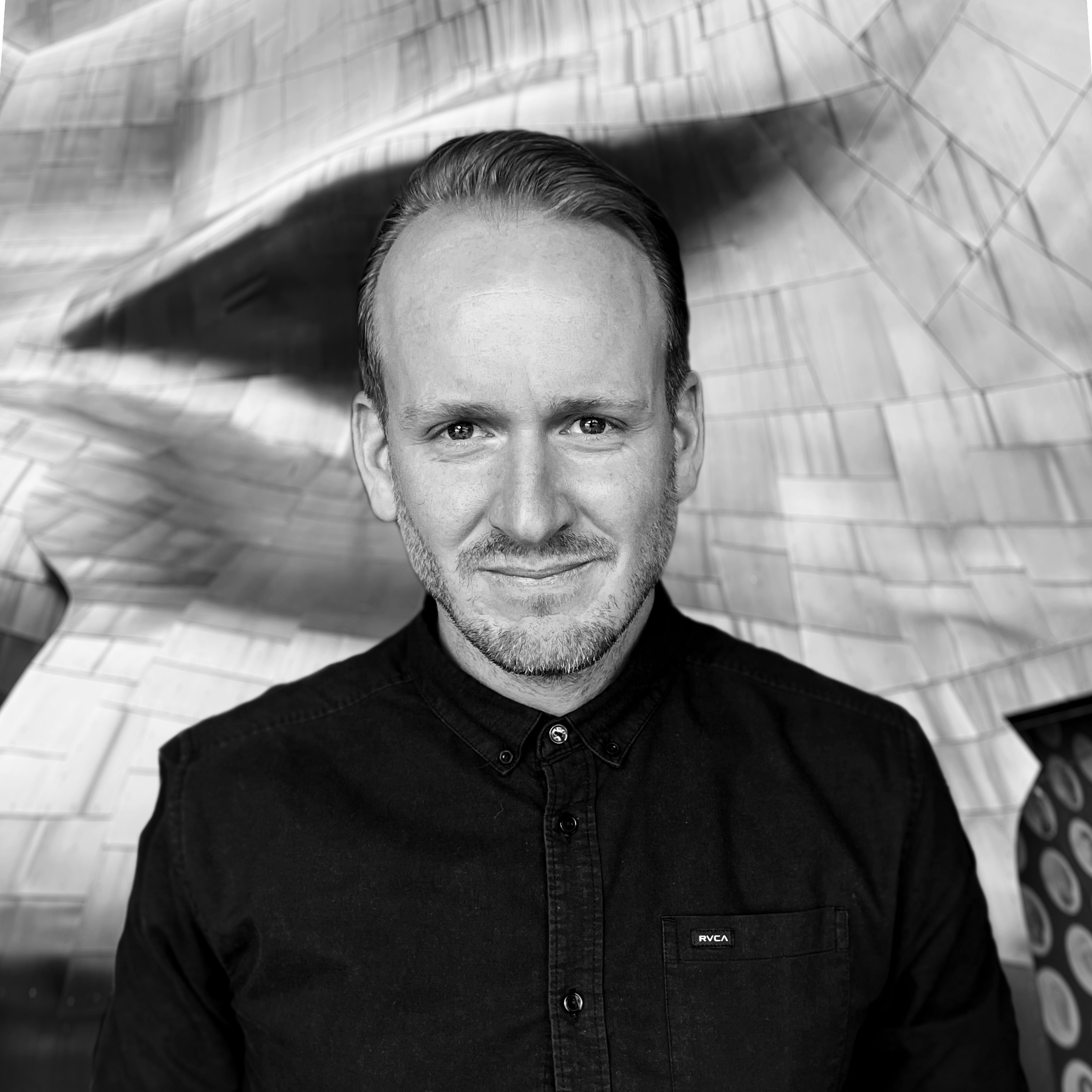
James is co-founder of SumPoint. He brings a unique mix of design, engineering, construction, and digital fabrication expertise to projects. His work focuses on the comprehensive process of delivering extraordinary buildings; leveraging parametric design-to-fabrication-to-installation workflows. Previously, James acted as Vice President - Innovation R&D at Zahner, a company that specializes in computational fabrication at an architectural scale. As a part of the Executive Team, James led research initiatives and provided strategic support on large scale and complex projects. He has worked as a Design Engineer with award winning architecture firms around the world and as a Product Development Engineer at Ford Motor Company. James holds a Master of Architecture and Master of Science in Mechanical Engineering from the Massachusetts Institute of Technology Bachelor of Environmental Design from the University of Colorado-Boulder.
To Be Announced
6:50 |
Closing Statements
7:00 |
ZAHNER Happy Hour
WORKSHOPS
FRIDAY, May 29th | In person @ HKS
This year’s workshops combine hands-on training in HKS’ fabrication facilities and experiential spaces available to hackathon participants with in-depth explorations of innovative methodologies, including parametric design, AI-driven workflows, and related emerging approaches.
AGENDA
9:00 am
10:00 am
1:00 pm
2:00 pm
5:00 pm
Registration
Workshops Begin
Lunch
Workshops Resume
Workshops Close

Combinatorial Tooling: From Few Molds to Many Panels
HKS Architects | LINE + ZAHNER
Most panel fabrication relies on a one-to-one logic: each unique geometry requires its own mold. This makes variation expensive and limits the potential of processes like hydroforming, where complex geometry and surface articulation can be formed in a single step—but only if tooling allows it.
This workshop proposes an alternative approach. Instead of designing one mold per panel, participants will develop a small set of reusable mini-block molds with defined edge relationships and rotational symmetry. These components can be recombined within a fixed panel boundary to generate a wide range of configurations. The relationship flips: few molds → many panels.
Using vacuum forming as a proxy for hydroforming, participants will prototype tooling systems that can translate to industrial production. Panels are subdivided into a set of positions populated by modular blocks, where variation emerges through the number of block types, their placement, and their orientation. Even a limited set of components can produce many unique panels while maintaining a consistent outer boundary.
Working in teams, participants will design mini-block geometries, cnc mill molds, and vacuum form thermoplastic sheets. These panels are assembled into a larger system using a dual-shell approach, pairing an outer articulated surface with an inner structural layer. Together, they form a sandwich panel with a cavity for insulation and integration into architectural assemblies.
Over the course of the day, participants will collectively construct a full-scale partition wall composed of combinatorially unique panels. These panels absorb variation internally while maintaining consistent edges for assembly.
More broadly, the workshop proposes a shift from geometry-driven fabrication to rule-based systems, where variation is generated through combinatorial logic rather than additional tooling. This approach enables mass customization without proportional increases in fabrication complexity, with direct relevance to hydroformed metal systems.
-
James Warton is the Regional Practice Director for HKS | LINE. He has made significant contributions to the most complex and innovative elements of the HKS portfolio. Most notably supporting Venues and Sports on discretization, rationalization, and structural synthesis of complex geometries and long-span structures. Throughout his career in architecture, he has maintained an acute interest in cutting-edge manufacturing and has developed a specialized concentration in high-resolution additive processes. His current focus is on the synthesis of structure/form, automation, and material performance. James also teaches Comprehensive Design, Systems Integration and Advanced Structures within the graduate program at Woodbury University’s School of Architecture where he promotes computational design as a tool for conceptual form finding, in-situ concept analysis, and optimization methodologies.
-
Burçin Nalinci leads Zahner’s R&D initiatives at the intersection of robotics, computation, and craft. Her work defines computational tacit craft as the translation of embodied making into data-driven, collaborative systems that extend human expertise rather than automate it.
Guided by four interlocking pillars—Hardware & Robotics, Software & Computation, Material Innovation, and Lifecycle Knowledge—her team develops workflows that merge fabrication, field intelligence, and material computation. From robot-assisted welding to computational patinas, these systems convert a century of tacit craft into structured, quarriable knowledge—extending the reach of human craft through robotics, computation, and evolving materials.
Her current research links physical processes with sensing, imaging, and ML models to reveal relationships between process physics and performance. Within this feedback-rich ecosystem, knowledge stops being archival and becomes generative—a living framework where human insight, digital data, and machine intelligence continually evolve together.
-
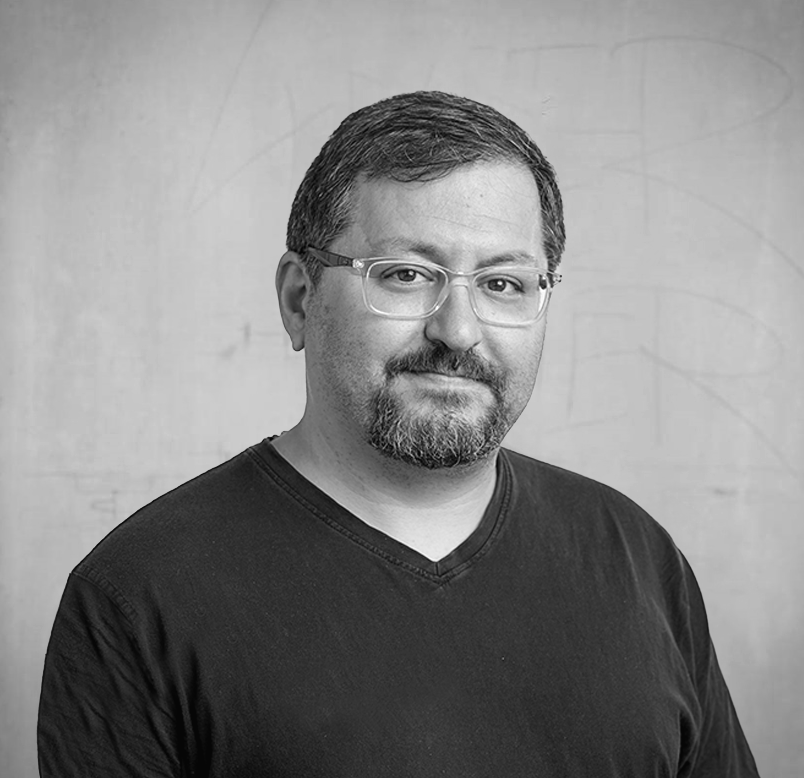
Ethan Kerber is an R&D Engineer at Zahner in Kansas City, Missouri, and a computational designer working at the intersection of robotics, architecture, engineering, and construction.
Grounded in metalwork and digital fabrication, his past work includes public sculptures permanently installed in Washington D.C. and Arlington, Virginia.
He conducted PhD research at RWTH Aachen focused on WAAM information modeling for traceability-informed adaptation in wire arc additive manufacturing.
During that time, he also served as co-CEO of Robots in Architecture and Managing Editor of the Journal on Construction Robotics.
He currently works on developing human-machine interfaces, IoT-enabled data capture, and Ai empowered computer vision for quality control.
Calibrated Construction
SumPoint & Hathaway Dinwiddie
As a building is constructed, it exists in numerous states, growing/shrinking with temperature swings, deflecting, and translating as loading changes. This makes it difficult to know where anything is at any one point in time. On-site personnel own the difficult task of determining the project “state” and subsequent determination of what corrections are necessary. This challenge of interpreting project conditions is an opportunity for design teams to support on-site activities. 3D-modeling tools common during the design phase (such as Rhino/Grasshopper) can be used to analyze the state of an installation, determine where adjustments should be made, and feed information back to teams on-site, saving time and increasing quality. (i)
During the workshop, we will build a cardboard structure, anchored to and cantilevered from multiple existing walls. We will explore how error finds its way into physical constructions and how a combination of point clouds and parametric models can act as a feedback loop for measuring, comparing, and correcting construction as it progresses.
Together, we will install prefabricated anchor elements using traditional layout methods, following 2d documentation and physical reference points (typical workflow). Once installed, we will use a Leica Laser Scanner (capable of capturing 1,000,000 pts/sec) to capture the as-built position of our installed parts and surrounding context. Using Rhino/Grasshopper, we will analyze these as-built point clouds to quantify the differences between our as-built construction and our theoretical 3D model. This will include utilizing methods for best fitting, cloud partitioning, and statistical review of point data.
With an accurate as-built model, we will then input the actual positions of our anchors into a parametric model, adapting parts to our real-life site conditions. Adapted parts will then be batch-processed and exported for laser cutting. These adapted parts “absorb” the construction error present at the time of the scan, recalibrate site conditions to the theoretical model, and ensure successful coordination of the following scopes/parts/activities.
(i) Coleman, James. “Construction Cheat Codes.” Homing the Machine in Architecture, by Canizares, Galo, et al. Taylor & Francis, 11 Mar. 2024, pp. 177–191.
-
James is co-founder of SumPoint. He brings a unique mix of design, engineering, construction, and digital fabrication expertise to projects. His work focuses on the comprehensive process of delivering extraordinary buildings; leveraging parametric design-to-fabrication-to-installation workflows. Previously, James acted as Vice President - Innovation R&D at Zahner, a company that specializes in computational fabrication at an architectural scale. As a part of the Executive Team, James led research initiatives and provided strategic support on large scale and complex projects. He has worked as a Design Engineer with award winning architecture firms around the world and as a Product Development Engineer at Ford Motor Company. James holds a Master of Architecture and Master of Science in Mechanical Engineering from the Massachusetts Institute of Technology Bachelor of Environmental Design from the University of Colorado-Boulder.
-
Brian Murray is a Senior Project Engineer at Hathaway Dinwiddie with six years of experience in general contracting. He holds a Bachelor’s Degree in Construction Engineering from Purdue University and a Master’s Degree in Computer Science from the University of Illinois, combining practical construction experience with a strong technical foundation.
Brian is currently focused on exploring how AI can be best leveraged across the company to improve workflows, support project teams, and drive smarter decision-making. He’s passionate about bridging construction operations and emerging technology, with an emphasis on turning practical challenges into scalable solutions that create real value in the field and office.
Selective Patina: Programmable Surface Design
HKS Architects | LINE + ZAHNER
Surface finishing in metal fabrication is typically treated as a uniform final step—applied after geometry is resolved and largely separate from design intent. While this ensures consistency, it limits variation and reduces surface to a passive coating rather than an active design element.
This workshop proposes an alternative approach. Rather than relying solely on geometry as the primary design variable, participants will explore how process parameters—toolpaths, motion control, applicator type, and chemical behavior—can be used to generate variation. A single geometry can produce multiple outcomes depending on how it is made.
Participants will work with a shared system of modular metal panels—each with consistent geometry and connection logic, but varied surface potential. While all panels fit into the same system, their surfaces remain open for variation. Geometry is fixed; design intent shifts to process and material response.
Using Rhino/Grasshopper, participants will design custom patterns and translate them into machine instructions. These toolpaths are executed using repurposed 3D printers and CNC plotters fitted with dabbers, brushes, and marker-based applicators that deposit patina solutions directly onto metal surfaces.
As machine motion, applicator type, and chemical composition shift, material responses change. The same toolpath can produce different outcomes depending on feed rate, deposition, and reaction. Pattern is not simply drawn, but produced through the interaction of toolpath behavior and material response.
Working in small groups, participants develop distinct pattern strategies and test how variations in toolpath, applicator, and chemistry affect surface outcomes. Each group produces a coherent set of panels, allowing multiple approaches to be explored in parallel. Throughout the day, teams produce panels reflecting their chosen parameters and design approach. These panels are assembled into a collective installation, demonstrating how consistent geometry can support a range of controlled surface expressions.
More broadly, the workshop reframes design as a system that extends beyond geometry. Chemistry, motion, and machine logic operate alongside form as active design parameters, establishing a feedback-driven workflow where making and designing continuously inform one another.
-
Coming Soon
-
Burçin Nalinci leads Zahner’s R&D initiatives at the intersection of robotics, computation, and craft. Her work defines computational tacit craft as the translation of embodied making into data-driven, collaborative systems that extend human expertise rather than automate it.
Guided by four interlocking pillars—Hardware & Robotics, Software & Computation, Material Innovation, and Lifecycle Knowledge—her team develops workflows that merge fabrication, field intelligence, and material computation. From robot-assisted welding to computational patinas, these systems convert a century of tacit craft into structured, quarriable knowledge—extending the reach of human craft through robotics, computation, and evolving materials.
Her current research links physical processes with sensing, imaging, and ML models to reveal relationships between process physics and performance. Within this feedback-rich ecosystem, knowledge stops being archival and becomes generative—a living framework where human insight, digital data, and machine intelligence continually evolve together.
-
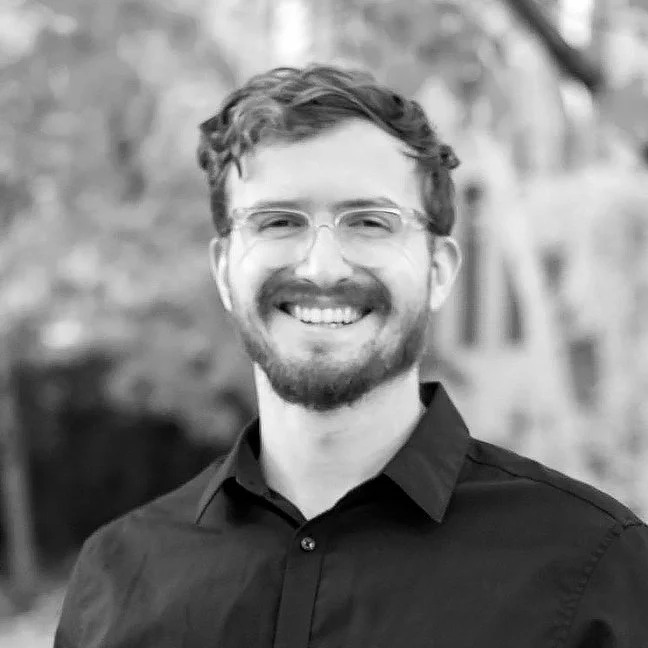
Dan Rothbart is a Project Engineer II at Zahner in Kansas City, Missouri. With a background in architecture from RPI and robotics from UPenn, his work focuses on integrating the digital and the physical within architectural metal projects. Dan’s interests include automation for fabrication and construction, bespoke material finishes, and collaborative problem solving across disciplines. He works closely with the designers, the shop, the field, the general contractor, and other project partners to translate design intent into coordinated and buildable systems.
Recent example work includes managing the robot‑assisted welding and custom survey fixturing workflows for the Air Force Academy Chapel renovation, as well as digital automation to support facade projects with thousands of unique components. He remains involved in research-based publications with collaborators from UPenn and Zahner in journals such as ACADIA.

A Practical Guide to MCP & Multi-Agent Workflows
Thornton Tomsetti | CORE studio
Agentic AI and MCPs are all the rage these days, but it can be difficult to separate hype from substance. If you'd like to learn about these emerging technologies, but aren't sure where to start, join our full-day workshop for a step-by-step, beginner-friendly, and AEC-focused walkthrough of the latest AI protocols. You will learn what Model Context Protocol is, how it works, and how to build your own MCP servers to help automate various design workflows. We will also take a look at MCP features within the latest release of the Swiftlet Grasshopper plugin, which will let us interact with a Rhino model using an LLM. From there, we will explore AI agents, how to easily build them using open-source frameworks, and how to let multiple agents collaborate with each other via the A2A (Agent to Agent) protocol.
-
Sergey Pigach is a Senior Associate Applications Engineer at CORE studio | Thornton Tomasetti. Trained as an architect, he has spent nearly a decade developing computational tools for designers, architects, and engineers across the AEC industry. As part of CORE AI, the R&D group focused on practical applications of artificial intelligence and machine learning in structural engineering, Sergey led the development of Cortex, CORE studio's ML-ops pipeline. His current work centers on research in agentic AI, AI safety, security, and emerging interoperability protocols such as MCP and A2A.
Hackathon
SaturdaY, May 30th - SUNDAY, May 31st | In person @ HKS
Create something incredible with a team of your peers during the 26-hour hackathon. Starting on Saturday morning and ending on Sunday afternoon. AECtech Hackathons are events for all levels of programmers, developers, engineers, and others. Additionally, it is aimed at attendees to collaborate, network, build new relationships, and generate new ideas and processes for the AEC community.
In addition to virtual hackathon projects, this year’s LA Hackathon will feature a new opportunity with access to facilities at HKS, enabling physical fabrication, including:
and more…
The Friday workshops co-hosted by HKS will include training on these facilities, with support during the hackathon.
And all Hackathon Attendees will receive access to a workshop at no additional cost as part of the Hackathon Ticket.
AGENDA
Saturday, May 30th | 9:00 am
9:30 am
10:00 am
10:30 am
11:00 am
11:30 am
1:00 pm
7:00 pm
Sunday, May 31st | 11:00 am
11:30 am
12:00 pm
2:00 pm
2:30 pm
Registration
Hackathon Kickoff
Lightning Round
Team Formation
Hacking Begins!
Facilities Onboarding
Lunch
Dinner
Pencils Down
Submit Presentations / Lunch
Team Presentations
Hackathon Judging
Winners Announced
JUDGES
To Be Announced
To Be Announced
To Be Announced
New to the Hackathon World?

Continue to stay informed by following us on Twitter, Instagram, and checking our website.
Please take a minute to review our values and promise to the community.